

Succession Planning Is Leadership — Not a Contingency Plan

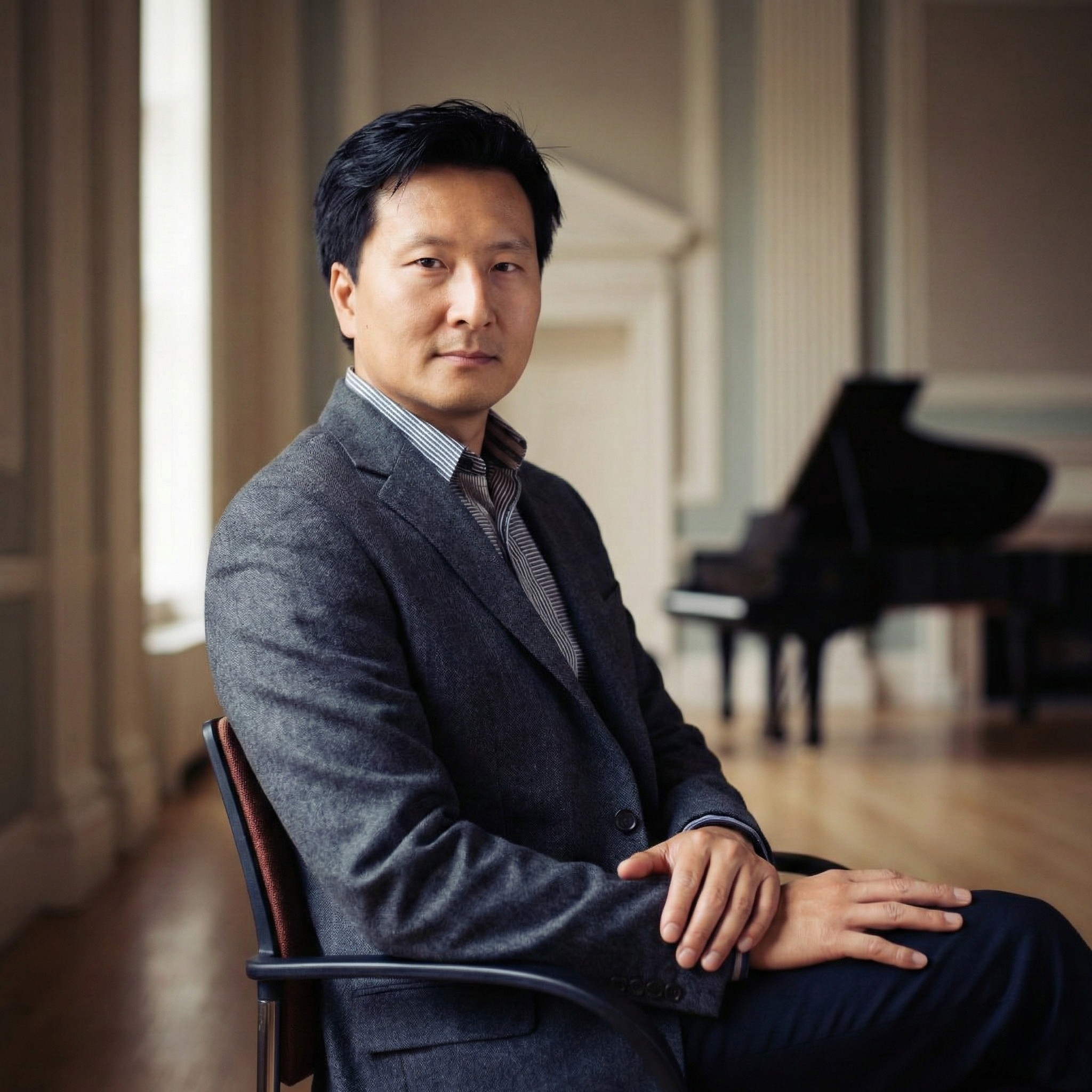
In music, we rehearse for disruption.
Understudies are trained.
Scores are marked.
Technical contingencies are anticipated.
No serious orchestra would open a season without backup musicians.
And yet — far too many arts organizations operate without a meaningful succession plan for executive or artistic leadership.
That is not confidence.
It is negligence disguised as optimism.
The Governance Blind Spot in Arts Organizations
Nearly every board will tell you that executive succession planning is “very important.”
Yet only a minority have a written, actionable, regularly reviewed plan.
In arts organizations, this gap carries unique risk.
We operate in ecosystems built on:
• Long-term donor trust
• Patron relationships
• Educational continuity
• Artistic credibility
• Public confidence
When leadership transitions are abrupt, opaque, or reactive, the damage is rarely immediate.
It is cumulative.
Donors pause.
Staff question stability.
Community partners hesitate.
Momentum stalls.
And rebuilding trust takes far longer than maintaining it would have.
The Real Cost of Poor Succession Planning
In the corporate world, poorly managed CEO transitions erase market value.
In the nonprofit arts sector, the cost shows up differently:
• Loss of institutional memory
• Strained board-executive relations
• Faculty and staff attrition
• Donor uncertainty
• Programming disruption
• Reputational instability
The cost is not only financial.
It is relational.
And relational capital is the most fragile asset an arts organization holds.
Why Boards Avoid It
Let’s be honest.
Succession planning is often deferred because:
• It feels uncomfortable.
• It may signal vulnerability.
• It requires difficult conversations.
• A dominant leader resists discussing it.
• Governance prefers short-term focus over long-term planning.
But avoidance does not equal strength.
It creates fragility.
Responsible boards understand that succession planning is not a signal of doubt in current leadership — it is a signal of maturity in governance.
The Unique Complexity of Arts Leadership
Arts institutions are not single-leader enterprises.
They often involve:
• Executive leadership
• Artistic leadership
• Development leadership
• Board governance
• Donor ecosystems
• Public visibility
When dual leadership transitions (executive and artistic) are not sequenced carefully, instability multiplies.
Simultaneous exits amplify risk.
Abrupt changes without transition planning magnify perception of crisis — even where none exists operationally.
Perception drives confidence.
Confidence drives sustainability.
Leadership transitions must be choreographed with the same precision we apply to performance.
Burnout Is Not a Succession Strategy
Across the nonprofit sector, executive burnout is rising.
When leadership is stretched thin without board-supported infrastructure, institutions become dependent on endurance rather than planning.
Burnout should trigger strategic support — not sudden leadership gaps.
Boards must ask:
• Is workload distributed sustainably?
• Are leadership pipelines cultivated internally?
• Is there an emergency transition policy in writing?
• Has succession been discussed before urgency forces it?
Hope is not a governance model.
Preparation is.
What Strong Succession Planning Actually Looks Like
Succession planning is not theoretical. It is practical.
Strong boards:
1. Map Organizational Risk
Identify roles whose vacancy would jeopardize funding, partnerships, or programming.
2. Codify Emergency Plans
Who assumes interim authority?
Is it documented?
Is it reviewed annually?
3. Build Leadership Pipelines
Mentorship, cross-training, professional development — these reduce risk and strengthen culture.
4. Sequence Dual Leadership Transitions
Avoid simultaneous exits of executive and artistic leaders whenever possible.
5. Communicate Transparently
Silence breeds speculation.
Clear communication reinforces stability.
6. Stage the Handoff
Structured overlap protects donor relationships and institutional memory.
Transitions should be intentional — not abrupt.
A Hard Truth
Organizations that fail to plan for leadership transition are not protecting stability.
They are gambling with it.
And when transitions occur under duress — without roadmap, without overlap, without communication — the burden falls on staff, donors, and community to absorb the shock.
The strongest arts organizations understand something simple:
Leadership continuity is an expression of institutional respect.
Respect for mission.
Respect for donors.
Respect for staff.
Respect for community.
Succession planning is not about anticipating failure.
It is about protecting legacy.
The Leader’s Responsibility
As someone who has led arts institutions through structural transition, generated revenue growth, cultivated donor relationships, and navigated complex board dynamics, I believe this:
Leadership is stewardship.
True stewardship prepares for transition long before transition is required.
Not because departure is imminent.
But because institutions deserve continuity.
Great leaders do not cling to position.
Great boards do not avoid difficult planning.
They build resilience into the structure itself.
Final Reflection
In music, the performance ends — but the institution continues.
Succession planning ensures the music does not stop when the conductor changes.
Arts organizations that embed succession into governance practice send a powerful message:
We are here for the long term.
We value stability.
We plan with discipline.
We lead with foresight.
That is not merely administration.
That is leadership.