

30 Years of Gifted Education: Lessons from Springtime and the Piano Bench

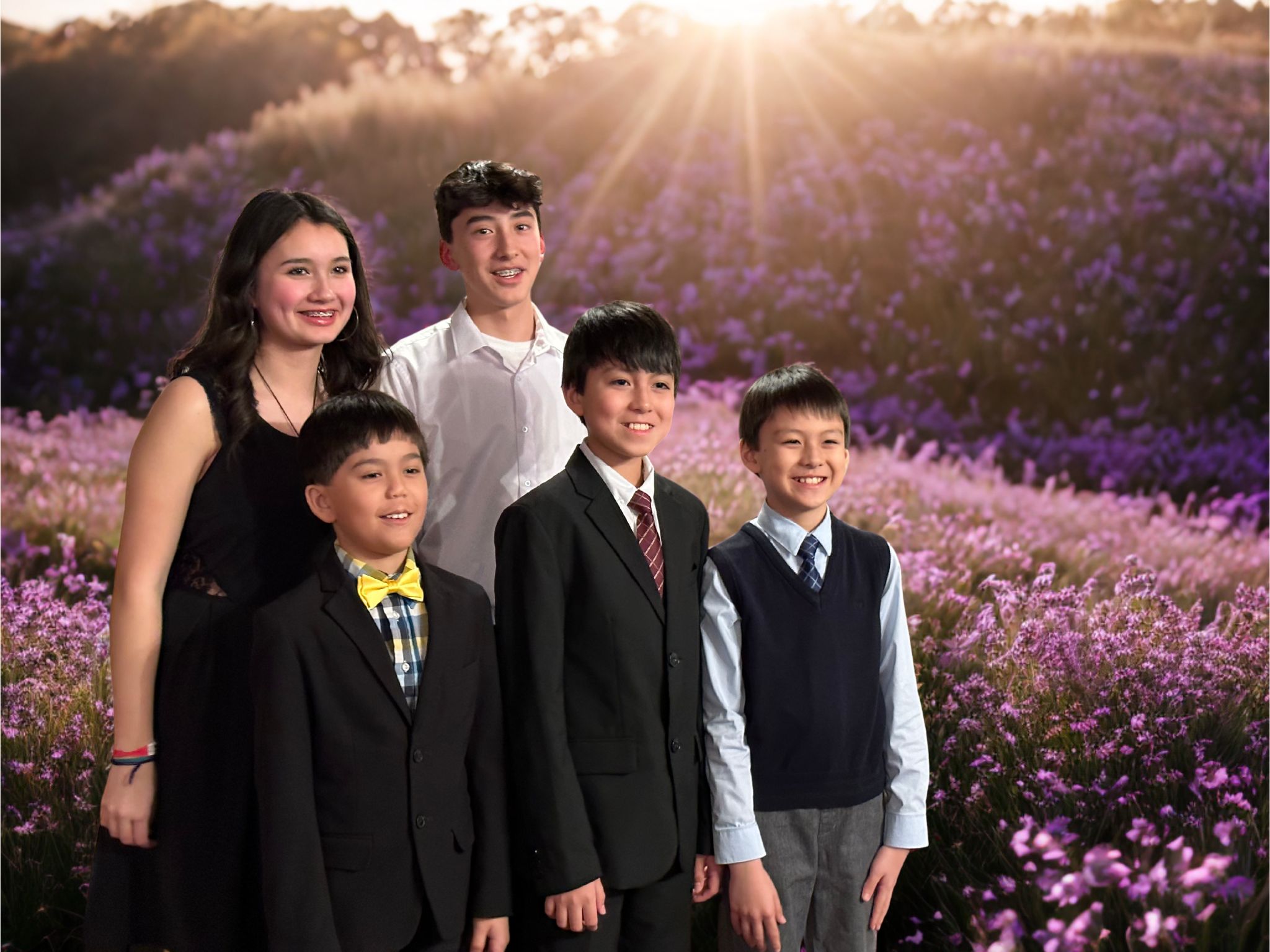
Gifted education teaching has transformed how I understand learning — and spring is the perfect season to reflect on it. After 30 years at the piano bench, I’ve seen what works and what doesn’t.
Just like the world is waking up, so should our approach to learning! Gifted students don’t thrive in a one-size-fits-all system—they need room to grow, explore, and be challenged in ways that actually excite them.
How Gifted Education Teaching Has Evolved
Over the past 30 years, gifted education has evolved (thankfully, because so has our understanding of what ‘gifted’ actually means!). It’s not just about IQ scores—it’s about curiosity, creativity, and an unstoppable drive to learn.
When I first started teaching, “gifted” was often reduced to a number on a standardized test. High IQ? You’re in. Average score? Sorry, next. But anyone who’s spent real time with young minds knows that brilliance doesn’t fit neatly into bubbles on a Scantron sheet.
Some of the most intellectually alive students I’ve encountered wouldn’t necessarily ace a traditional IQ test. But put a complex musical phrase in front of them, give them a problem with no clear answer, or challenge them to think five steps ahead—and suddenly you see genius emerge.
True giftedness shows up in questions, not just answers. It appears in the student who asks “but why does it have to be that way?” It lives in the kid who gets bored with the right answer because they’re more interested in exploring three wrong ones first.
Meeting Students Where They Are
Every student has their own rhythm and pace, and the best education doesn’t try to force them into a box—it meets them where they are and pushes them to go further.
This is something I learned from music before I fully understood it in education. You don’t hand a beginner Rachmaninoff’s Third Piano Concerto and expect magic. But you also don’t keep an advanced student playing “Twinkle, Twinkle” forever just because it’s “age-appropriate.”
The art is in calibration. Too easy, and students disengage. Too hard, and they shut down. But right in that sweet spot—what psychologists call the “zone of proximal development”—that’s where transformation happens.
Lessons from the Piano Bench (and Parenthood)
I’ve had a front-row seat to this journey, both as a father to two incredibly talented kids, Solomon and Sheba, and as a mentor to countless gifted students. I won’t say I have all the answers, but I’ve spent years figuring out what works, what doesn’t, and what makes students roll their eyes (spoiler: a lot).
My goal? To challenge them in a way that sparks excitement—not frustration.
With my own children, I’ve watched this principle play out in real time. Solomon and Sheba are wired differently—different learning styles, different motivations, different ways of processing information. What inspires one might bore the other. What feels like encouragement to one might feel like pressure to the other.
The same is true for every gifted student I’ve taught. There is no universal key that unlocks every mind. Teaching—real teaching—requires constant observation, adaptation, and the humility to admit when your brilliant lesson plan just isn’t landing.
The Danger of the Easy Song
Here’s the thing: learning should feel like an adventure, not a rerun. When gifted students aren’t challenged, school starts to feel like playing the same easy song over and over.
I see this constantly in music education, and it breaks my heart. A talented young pianist masters a piece quickly, and instead of moving forward, they’re asked to play it again. And again. And again. “For perfection,” we say. But what we’re really doing is teaching them that achievement means repetition, not exploration.
The result? Boredom. Disengagement. Sometimes even resentment toward the very thing they once loved.
Gifted students need novelty. They need complexity. They need problems that don’t have obvious solutions and questions that lead to more questions. They need to occasionally fail—not because failure is the goal, but because struggling with something genuinely difficult is how we grow.
When the Magic Happens
But when we get the challenge just right? That’s when the magic happens—engagement, motivation, and students realizing they’re capable of way more than they ever thought possible.
I’ve seen the shift happen countless times. A student who seemed checked out suddenly lights up when given a problem worthy of their intellect. A child who appeared “difficult” transforms when they’re finally allowed to learn at their actual pace instead of the prescribed one.
This is what spring represents, isn’t it? The moment when dormant potential meets the right conditions and suddenly—growth. Not forced, not artificial, but organic and unstoppable.
Embracing Fresh Ideas
So, as we step into the first day of spring, let’s embrace fresh ideas, new growth, and the power of learning that actually inspires.
Let’s question old assumptions about what gifted education should look like. Let’s create space for students to pursue their obsessions, even when those obsessions don’t fit neatly into our curriculum. Let’s celebrate the weird questions, the unconventional approaches, the students who refuse to color inside the lines.
After all, education—like springtime—should be full of possibility, not just the same old thing on repeat.
The flowers don’t bloom by following a standardized test. They bloom because the conditions are right, because they’re given what they need, and because no two flowers are exactly alike.
Our students deserve the same.
#FirstDayOfSpring #GiftedEducation #CuriousMinds #KeepLearning #GrowthMindset
Curious how this philosophy translates into the studio? Explore Dr. Chen’s teaching philosophy and his approach to piano pedagogy — built on 30 years of working with gifted and developing students alike.
What Gifted Education Teaching Looks Like at the Piano
Gifted education teaching takes on a particular texture in the music studio. The gifted student rarely needs to be told to practice more — they need to be told to practice differently. They crave complexity, resist repetition, and lose interest the moment the material feels beneath them. This is not defiance. It is intelligence self-regulating.
What I have learned from 30 years of gifted education teaching at the piano is this: the challenge must always be one step ahead of the student, never two steps behind. If a 9-year-old can handle a Scarlatti sonata, give them the sonata. If a 12-year-old is asking questions about harmonic structure, answer them fully — then ask a harder question back. The gifted learner thrives in dialogue, not delivery.
Practical Strategies for Gifted Education Teaching in Music
Effective gifted education teaching in any discipline — and music especially — requires moving beyond the standard curriculum. Here are the approaches I return to most consistently in my own studio:
- Accelerate vertically, not just horizontally. Instead of assigning more pieces at the same level, move to more complex repertoire earlier. Breadth is fine; depth is better.
- Let curiosity drive the lesson. When a gifted student asks why a composer made a specific harmonic choice, stop the lesson plan and explore it. That tangent is the lesson.
- Use comparative analysis. Ask students to compare two interpretations of the same work. Gifted learners thrive on evaluative thinking, not just imitative playing.
- Introduce composition early. Even basic improvisation and composition exercises reveal how gifted students process musical logic — and it keeps them deeply engaged.
The National Association for Gifted Children consistently finds that differentiated instruction — tailored to the specific pace and depth of the individual learner — produces the strongest long-term outcomes. Gifted education teaching that ignores differentiation is gifted education in name only.
The Long Game: Why Gifted Education Teaching Matters Beyond the Classroom
The impact of excellent gifted education teaching extends well beyond recitals and report cards. The student who was truly seen — who was challenged instead of managed, who was asked hard questions instead of being given easy answers — carries that experience into every room they walk into for the rest of their life.
I have watched former students go on to lead orchestras, found companies, and publish research. In every case, what they remember about their early education is not the material — it is the teacher who refused to let them coast. That is what gifted education teaching at its best looks like: a refusal to settle, dressed up as a piano lesson.